

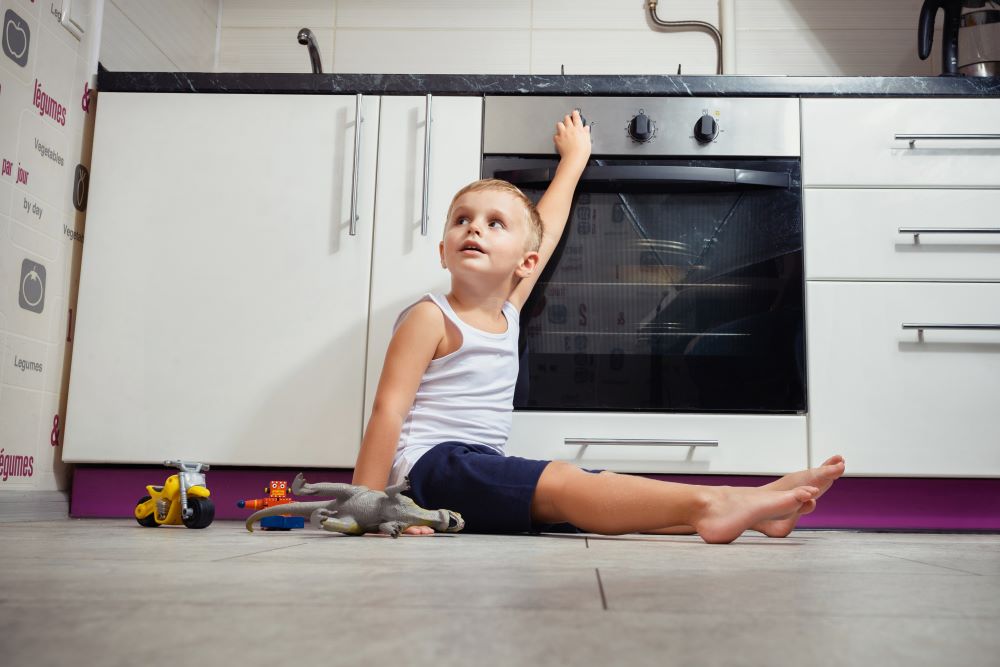
When it comes to reliable gas safety, gas appliances provide convenience and comfort to homeowners. Offering efficient heating, cooking, and central heating solutions. However, ensuring your home’s gas safety is paramount to protecting your family and property.
Check out the five top tips for homeowners to enhance gas safety: continuous flow systems, gas heaters and fires, gas ovens and hobs, free-standing cookers, and central heating.
As gas fitting experts in Wellington, we understand the importance of proper gas appliance maintenance and usage. For reliable residential and commercial gas fitting services in Upper Hutt, Lower Hutt, Wellington, and Porirua, contact Paramount Plumbing and Gas Ltd.
Timely Maintenance and Inspection
Gas appliances, such as Continuous Flow systems like Rinnai INFINITY, Baxi Boilers, and Gas Heaters and Fires, require regular maintenance and inspection to ensure safe and efficient operation.
Regular maintenance will extend the lifespan of your gas appliances and reduce the risk of hazardous situations.
Hire professional gas fitters in Wellington to conduct thorough inspections annually, identifying any potential leaks, blockages, or issues that may compromise gas safety.
Proper Ventilation and Reliable Gas Safety
Gas appliances emit carbon monoxide, a colourless and odourless gas that can be harmful or even fatal in poorly ventilated areas.
Always ensure proper ventilation in rooms with gas appliances, especially gas heaters and fires.
Avoid blocking vents or obstructing airflow around appliances, and consider installing carbon monoxide detectors in your home to provide an early warning of any potential leaks.
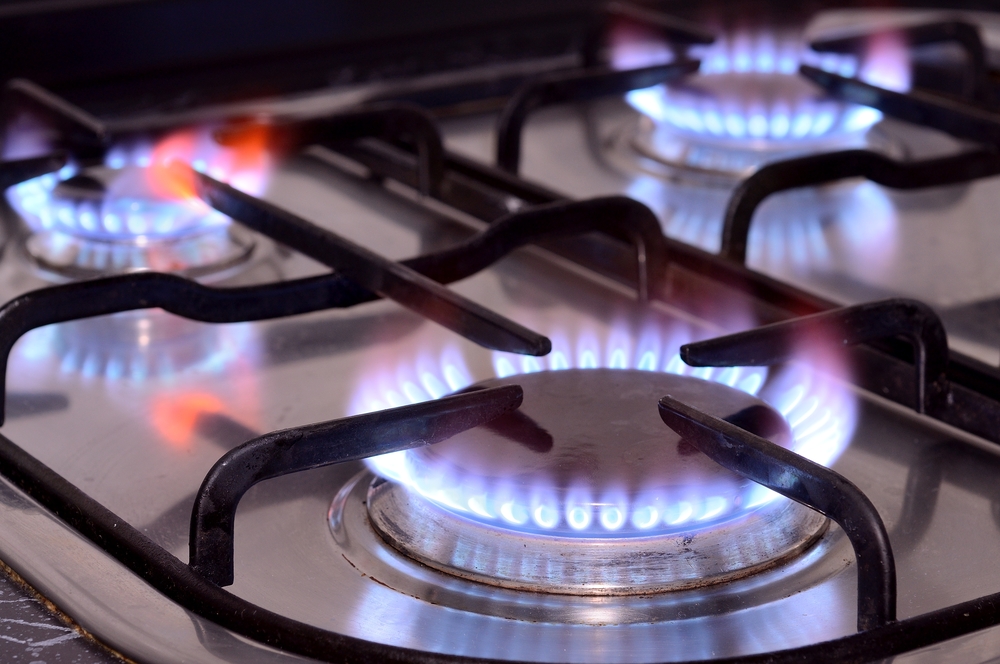
Safe Usage of Gas Ovens and Hobs
Gas ovens and hobs are commonly used in households for cooking. To ensure gas safety, always follow the manufacturer’s instructions for operation and maintenance.
Keep the burners and hob surfaces clean to prevent blockages, and promptly address any gas odours or unusual behaviour from the appliance.
If you suspect a gas leak, turn off the gas supply immediately and seek professional assistance from gas fitters in Wellington.
Careful Use of Free-Standing Cookers
Free-standing cookers combine the convenience of an oven and hob in one appliance. As with other gas appliances, proper ventilation is crucial when using free-standing cookers.
Avoid leaving flammable items near the cooker, and never use it as a heating source.
Always supervise the cooker when in use and turn off the gas supply after cooking to prevent accidental leaks.
Reliable Gas Safety With Central Heating
Central heating systems provide warmth throughout your home, making them essential during colder months.
Regularly check the system for any signs of wear and tear, leaks, or unusual noises. If you notice any issues or gas odours, turn off the system and contact gas fitters in Wellington immediately.
Regular maintenance of your central heating system ensures its safe and efficient operation.
By following these 5 top tips for gas safety in your home and seeking the expertise of gas fitters in Wellington, you can protect your family and property from potential gas-related hazards.
What NOT-TO-DO in case of a Gas emergency:
- Do Not Ignite Flames or Operate Electrical Appliances
- Do Not Attempt to Locate the Leak using an open flame
- Do Not Delay or Ignore Warning Signs such as the distinct smell of gas and hissing sounds near gas
- Do Not Operate Gas Valves
- Never attempt DIY repairs or use makeshift solutions to address the issue.
In case of emergency, Call the Emergency Services on 111
Handling gas appliances or pipes without proper training and equipment can lead to hazardous outcomes.
Remember, when it comes to reliable gas safety, gas emergencies demand immediate attention and professional expertise. In the event of a gas emergency, prioritise safety first.
Evacuate the area, avoid ignition sources and electrical appliances, and seek the assistance of experienced gas fitters like those at Paramount Plumbing and Gas Ltd. to handle the situation.
Your well-being and the safety of your property are of utmost importance. Our team of skilled professionals is ready to assist you with all your residential and commercial gas fitting needs in Upper Hutt, Lower Hutt, Wellington, or Porirua, ensuring the safety and reliability of your gas appliances and systems. Whether you are unsure if you need to repair or replace your system, we are here to help.
We do emergency plumbing services as well as general plumbing and gas fitting along with new builds where we can set up your gas and plumbing properly from the beginning among our many services. Get in touch now. We are here to help at Paramount Plumbing and Gas.