
At Paramount Plumbing we hear myths about plumbing all the time. Did you know you can fix a leaky pipe with a hairdryer, or that plunging reverses a flush? Believe me, together with all the plumbers in Wellington, we’ve heard them all.
There are many common plumbing myths that circulate. Some are harmless and just based on old wives tales. Others can cause serious damage to your home.
Here are some of the most common plumbing myths in Wellington and the truth behind them:
You should pour boiling water down the drain to clear a clog.
If you’re dealing with a slow drain or a clog, you may be tempted to pour a pot of boiling water down the drain in an attempt to clear it. However, this is actually a myth that can do more harm than good.
In reality, The extreme heat can crack your pipes, leading to leaks and flooding. Some ofd the plumbing in Wellington is extremely old and vulnerable. Handle with care!
Also, the boiling water can actually melt grease, which will then harden and create an even bigger clog. Instead, first try using a plunger or a drain snake to clear the clog. You might also consider pouring a mixture of baking soda and vinegar down the drain, followed by some hot – but not boiling – water.
Lemons can clean your garbage disposal.
Lemons might make your garbage disposal smell nice, but they won’t actually do much to clean it. The acidity of lemons can actually corrode your garbage disposal, so it’s best to avoid using them. Stick to using soap and water to clean your disposal.
Pour beer down your drain to unclog it.
Beer can actually help to unclog your drain! The yeast in beer will eat away at the gunk and grime that’s clogging your drain. Just let the beer sit in the drain for a few hours before running hot water to flush it away. Just don’t waste any of Wellington’s boutiqe craft beers by pouring them down the sink!
You should pour bleach down your drain to clean it.
Pouring bleach down your drain might seem like a good way to clean it, but it can actually damage your pipes. Bleach is a corrosive substance that can eat away at your pipes, causing them to leak. Stick to using soap and water to clean your drain. Again, some of Wellington’s old pipes will not thank you.
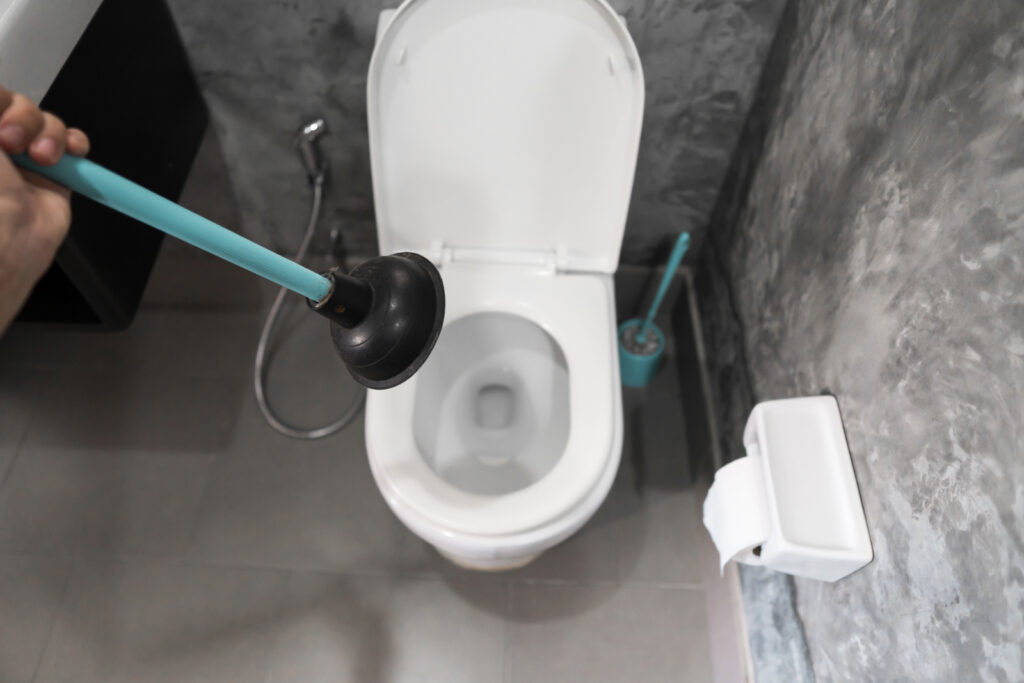
You should never use a plunger on a toilet.
This is a myth that’s based on the idea that plungers can cause water to splash back up and hit you. However, this is not the case! Plungers are designed to create a seal so that they can generate enough pressure to clear the clog. Just be sure to use a toilet plunger, not a sink plunger.
You should pour grease down the drain.
Pouring grease down the drain might seem like a good way to get rid of it, but it can actually cause problems. The grease can solidify in your pipes and cause blockages, and Wellington has enough plumbing problems without this being added. It’s best to dispose of grease in the trash.
You should pour salt down the drain to prevent clogs.
Pouring salt down the drain might seem like a good way to prevent clogs, but it can actually damage your pipes. Salt is a corrosive substance that can eat away at your pipes, causing them to leak. Stick to using a drain snake or a plunger to clear clogs.
You should never flush tampons down the toilet.
Tampons should not be flushed down the toilet because they can expand and cause blockages. However, tampons will not clog your sewer line. They will eventually decompose, so there’s no need to worry about them causing any long-term damage.
Most people know that they shouldn’t flush anything other than human waste and toilet paper down the toilet, but many don’t realise just how many items are actually considered “flushing no-no’s”. These include feminine hygiene products, cotton balls,paper towel, cigarette butts, and even some so-called “flushable” wipes.
While some of these items may not cause an immediate clog, they can certainly contribute to plumbing problems down the road.
Plumbing problems always seem to happen at the most inopportune times
While Murphy’s law often seems to play a factor with plumbing issues, there are actually a few things that you can do to help prevent them. First, be sure to keep an eye on your water usage and be sure to fix any leaks as soon as possible. Second, have your plumbing system inspected and serviced by a Wellington Plumber who knows your area and the peoblems associated with it. By taking these simple steps, you can help to avoid many of the most common plumbing problems.
By taking the time to learn the truth about these common plumbing myths, you can help to avoid many of the most common plumbing problems.
If you would like more plumbing tips you can click here.
About Paramount Plumbing
Paramount Plumbing and Gas are leading Plumbers in Wellington, founded to provide an unrivalled, top-quality service to homes and businesses alike. We’re proud of every job we do, whether it’s fixing emergency leaks, performing repairs or working on major installations.
Call Paramount Plumbing on 0800 02 72 72 or send an email to: info@paramountplumbing.nz